
Writer: Sharleen Young | June 22, 2025 | 6 min read
Key Takeaways
- Losing a parent at a young age leaves a lifelong emotional imprint.
- Children grieve differently, often carrying both deep sorrow and unspoken anger.
- Milestones may feel muted or complicated when someone is missing.
- With time, grief can evolve into strength, empathy, and purpose.
- You can carry sadness and joy simultaneously, it’s okay to hold both.
Losing My Father at 12: A Daughter's Journey Through Grief and Growth
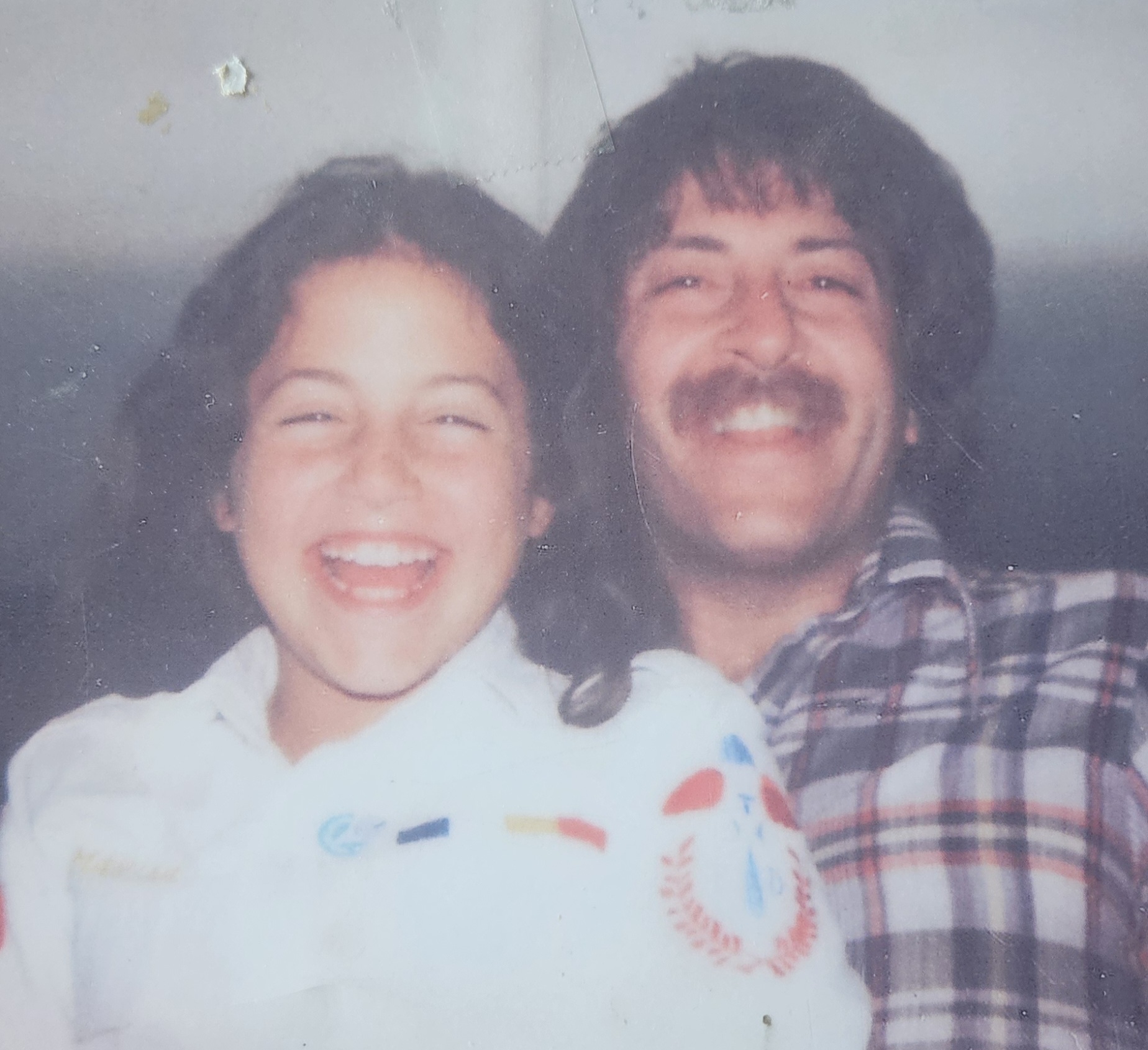
Some moments carve themselves into our hearts forever. I was just 12 years old when I lost my dad to cancer. He had just turned 36. My mom was only 33 and suddenly alone with three children, my brothers were 9 and 3. I was the oldest, and his only daughter. His little girl.
He had skin cancer that spread to his brain. We watched his body and mind change. He forgot what he liked, lost words, and spent more and more time in bed. Near the end, he slipped into a coma. I never really got to say goodbye.
I still remember that Monday morning. My aunt and uncle had stayed over, and I knew. Before my mom even spoke, I said, "I know. Daddy died." That moment is etched in my memory, as clear as if it happened yesterday.
He Was Everything to Me
My dad was the greatest and loved by everyone. He was an honest, sensitive, hard-working man who spent endless hours as a pharmacist, tending to the needs of his customers all day long. But he was also playful and completely engaged in our lives. He played with us, coached our baseball team, and handed out popsicles to the neighborhood kids. I felt so lucky to have him as a dad.
A Mother’s Strength and Silent Struggle
When my dad got sick, my mom had to start working. She threw herself into her job, working hard, always stressed, and deeply tired. After my dad died, her work became a distraction from the pain at home and a way to survive and support us. She had to take on both roles, mom and dad.
Even though she wasn’t around as much as she would have liked, she always found a way to provide for us.
As a young girl, I was angry that she couldn’t be there more. But with time, I began to understand and appreciate her resilience and the incredible strength it took for her to carry us all forward.
My father's death changed the dynamic of our family and left a lasting impact on our future, how we related to others, how we saw the world, and how we handled our emotional well-being.
Fear Took Root in Me
After my father died, it was difficult to feel safe. Even though my mom provided for us, I lived with the fear that something might happen to her too.
In my own mind, I made my life story be “the girl who lost her dad,” and eventually, “the survivor.” I was angry, rebellious, and hurting. And at the same time, I felt a responsibility to hold my family together, especially as other challenges emerged. This was the beginning of my journey through childhood grief.
The Weight of Uncelebrated Milestones
As I grew older, I clung to the story of the girl without a dad, and a survivor. I carried a heavy sadness that showed up in unexpected ways. I struggled with self-worth, with connecting to others, and with allowing joy. It was almost as if not having a dad made me feel undeserving, like there was something wrong with me.
Milestones didn’t feel like moments to celebrate. Birthdays, graduations, even my wedding, all felt muted by the absence of my dad. I didn’t want to make a big deal out of anything, because that just magnified the ache of him not being there. And also, underneath that sadness, I felt undeserving of the attention. I didn’t want to put people out, or bother anyone, or make it about me. That might be hard for some people to understand, but for those who’ve felt that way, I want them to know they’re not alone.
In hindsight, I can see how this looked like I shortchanged myself, and my mom, of joyful memories. But at the time, it just felt like too much, very overwhelming, and I didn’t think I could manage my emotions.
I also respect the decisions I made at the time. I don’t regret anything. That’s not to say I would make the same choices today, but I’ve come to understand that the most important thing is knowing who I am and what I needed in those moments.
Grief and Growth: How Loss Changes Over Time
Grief changes over time. It doesn’t go away, but it changes. Life goes on, and yet the pain leaves a hole in your heart. It softens, but it’s always there.
As I got older, I began to see that I wasn’t alone. Other people started to lose parents or experienced their own traumas, and I was able to witness how each person carries grief and navigates loss in their own way.
Over time, I began to change my story. I was no longer operating from the place of the girl who lost her dad. My siblings and I grew up, and our relationships matured. I fell in love and slowly allowed myself to trust someone. I started to let life in again, not just the grief, but the goodness too. This transformation is the heart of grief and growth.
A Sensitive Soul, Shaped by Loss
Everything I went through shaped me into who I am today: a sensitive soul, an empath, a natural caregiver. I pay close attention to others’ needs. I’ve become someone who values meaning in everything, in relationships, experiences, and especially in the small things.
Feeling joy is something I’ve had to consciously allow. How can I be sad about some things and happy and excited about others all at the same time? It might seem impossible, but with time, deep processing, and gratitude, it can happen.
Having lived through my own loss, and now being trained as a life coach, I bring a deep empathy and compassion into my work. I know how to sit with others in their pain, without needing to fix it. I will never judge your pain, or your thoughts about it. They are yours, and I respect that.
I know what it feels like to be judged for how I grieved, for being too sensitive, for not wanting to celebrate, for not bouncing back. I’ve felt misunderstood, and that led to resentment. It pushed me away from people and built a wall I didn’t know how to take down. The more self-aware I become, the more I understand and accept myself. And the more I accept myself, the better I become at building and nurturing relationships. That’s how I offer you a space where you can be you, however you are, without explanation.
I am only here to support you, to help you honor your experiences, understand them better, and allow them to fit into your life in a safe, integrated way.
To Those Who Are Grieving
If you’ve lost someone you love, I am so sorry. Your grief is real and valid. No matter the relationship, whether it was a parent, sibling, partner, or friend, grief meets us all differently. It depends on so many things: the bond you shared, how old you were, how they passed, and what they meant to you. There is no “right” way to feel.
You may feel numb, or angry, or completely undone. Maybe you feel a strange relief followed by guilt, or a heavy loneliness you can’t explain. All of it is real. All of it is worthy of love and understanding.
And sometimes, grief isn’t about death at all. We can grieve people who are still alive but no longer in our lives, or who have changed in ways we can’t reach, due to mental health struggles, brain disorders, or other invisible losses. That grief is just as real, and just as worthy of acknowledgment.
If you're open to it, I’d love to hear how you’re feeling, or maybe hear about your favorite memories with them. Sometimes just sharing helps.
Loss is complex. It’s not just about missing someone, it’s about the space they held in your life and all the future moments they will not be part of. I understand that. I’ve lived that. And if I can’t understand your unique story, I can listen. I can hold space.
This reflection is educational and personal. It is not therapy, diagnosis, medical guidance or individualized advice.

