
Key Takeaways
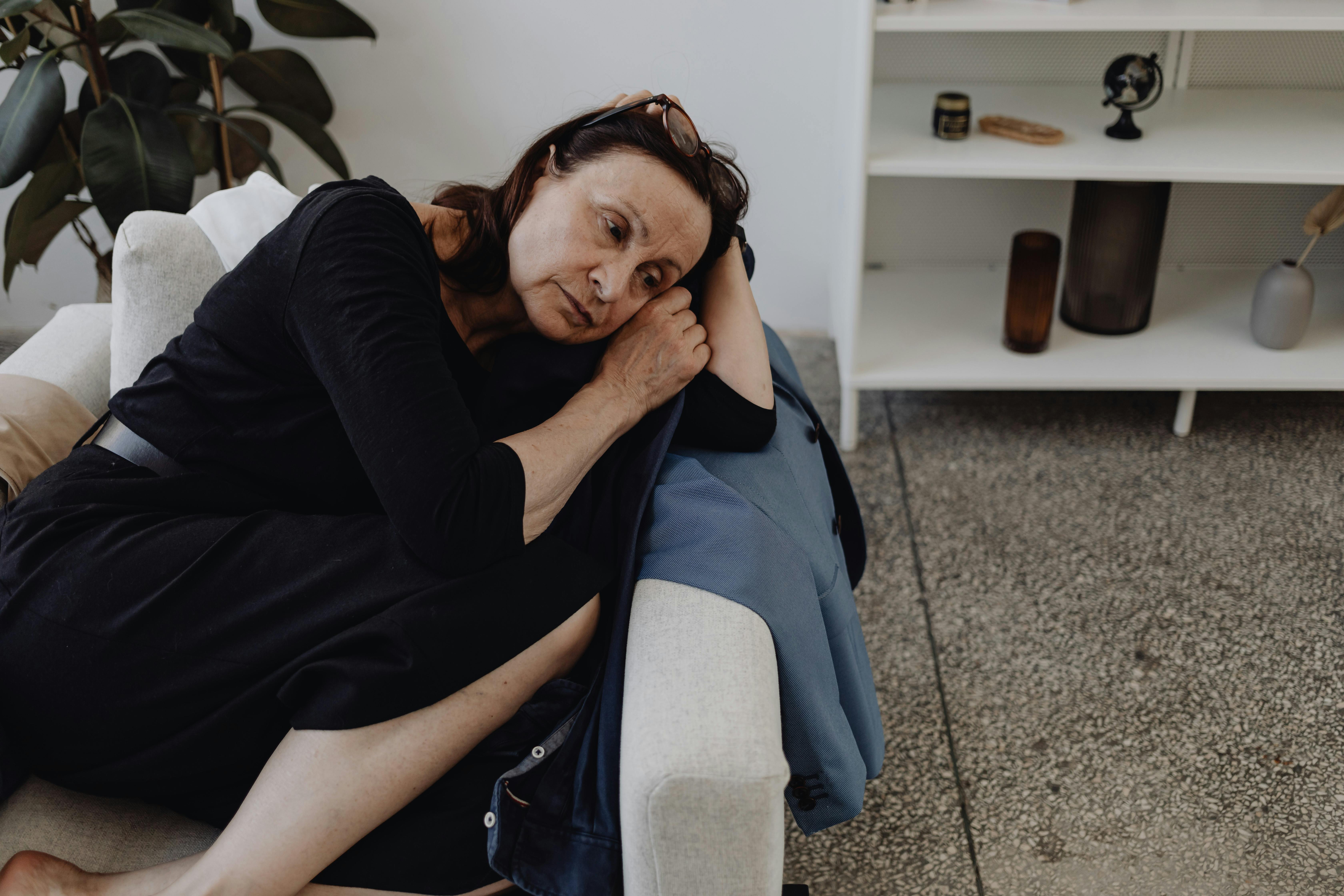
- Caregivers often become so focused on supporting others that they slowly stop recognizing their own exhaustion and emotional depletion.
- Self-care is not selfish, it is essential for maintaining the emotional and physical capacity needed to -continue caring for loved ones in a healthy way.
- Burnout can develop quietly over time as stress, responsibility, and emotional pressure build, which is why small acts of self-care and emotional support can make a meaningful difference.
- Asking for help, creating boundaries, and protecting your own mental health are not signs of weakness, but important parts of sustainable caregiving.
Why Caregivers Need Care Too
Caregiving is one of the most compassionate and selfless roles a person can take on. Whether you are caring for an aging parent, a child with additional needs, a partner, a friend, someone facing illness, or supporting a loved one struggling with mental health challenges, caregiving often comes from a place of deep love and responsibility.
But here is something many caregivers struggle to hear, and even harder to believe:
Making sure you are emotionally, mentally, and physically okay is just as important, if not more important, than the care you are giving to someone else.
So many caregivers become so focused on supporting others that they slowly stop noticing their own exhaustion, emotional pain, stress, and burnout. They keep going because they feel they have to. They push through because someone depends on them. Over time, their own needs begin to feel less important.
This is why caregiver self-care matters so deeply.
Taking care of yourself is not abandoning the people you love. It is protecting your ability to continue showing up with compassion, patience, and emotional strength.
Why Caregiving Can Feel So Emotionally Heavy
Caregiving is both physical and emotional.
Many caregivers carry constant worry, emotional responsibility, decision fatigue, guilt, fear, grief, loneliness, and deep mental exhaustion. Even during quiet moments, many caregivers struggle to rest, because emotionally they are constantly carrying the weight of someone else’s well-being alongside their own.
In many ways, the love caregivers feel is exactly why caregiving becomes so overwhelming.
When you deeply love someone, you carry their pain emotionally. You worry constantly. You want to protect them, help them, comfort them, and make things better. Caregivers are not simply completing tasks, they are emotionally invested in the well-being of someone they care deeply about.
A parent caring for a struggling child may lie awake at night worrying about their future.
A partner supporting a loved one through illness may carry fear, grief, and helplessness while trying to stay strong.
Someone caring for a person struggling with mental health challenges may feel emotionally stretched trying to offer support while also managing uncertainty, exhaustion, and worry.
Love makes caregivers show up again and again.
But that same love can also make it harder to step back, rest, or recognize their own limits.
Many people do not realize how deeply caregiving affects the nervous system. Living in a constant state of alertness, responsibility, and emotional pressure can leave caregivers feeling drained without fully understanding why.
Some caregivers become so used to surviving that they stop recognizing what burnout feels like. They tell themselves they are fine, that they can handle it, or that other people have it worse. Many convince themselves they do not have time for their own needs and promise they will rest later, often without realizing how emotionally depleted they have already become.
But eventually, the body and mind begin asking for attention.
The signs may appear quietly, difficulty sleeping, emotional numbness, irritability, constant fatigue, or feeling disconnected from yourself.
Other times the signs become much louder through anxiety, emotional breakdowns, physical illness, resentment, panic, or complete exhaustion that the body can no longer ignore.
Why Caregiver Self-Care Matters So Much
One of the hardest truths for caregivers to accept is that caring for themselves is not taking away from the people they love, it is actually what helps them continue caring in a healthy and sustainable way.
When caregivers continuously ignore their own emotional, physical, and mental needs, they slowly lose the energy, patience, focus, and emotional bandwidth needed to support others.
Exhaustion changes everything.
It becomes harder to think clearly, advocate properly, make decisions, regulate emotions, and notice possible solutions or resources. And when caregivers are emotionally depleted, overwhelmed, anxious, or operating from constant stress, that emotional energy often affects the person receiving care as well.
Care recipients are deeply impacted by the emotional environment around them.
When a caregiver is running on empty, feeling resentful, emotionally shut down, constantly anxious, or overwhelmed, the person they are caring for may begin to feel like a burden, feel emotionally disconnected, or sense tension and frustration even when nothing is being said directly.
This can unintentionally affect the relationship and emotional well-being of both people.
That is why caregiver self-care matters so deeply.
When caregivers take time to restore themselves emotionally and mentally, they are often able to show up with more patience, warmth, compassion, presence, clarity, and emotional availability. They are better able to create a sense of safety, support, and connection for the person they love while also protecting their own mental and emotional health.
When caregivers are constantly overwhelmed, emotionally stretched, and operating in survival mode, their world can become very small.
Their focus often becomes centered around getting through the next appointment, crisis, responsibility, or emotionally difficult moment.
This is why intentional self-care matters so much.
Not because it magically removes the challenges of caregiving, but because it creates enough emotional and mental space for caregivers to breathe, think more clearly, process emotions, and respond more intentionally instead of constantly reacting from stress and exhaustion.
When caregivers begin caring for themselves consistently, they often become more emotionally regulated, more open to support, more capable of recognizing resources, and better able to advocate both for themselves and for the person they are caring for.
When caregivers feel emotionally supported and more grounded within themselves, they are often better able to advocate effectively for their loved ones, handle crises with greater calm and clarity, communicate more openly, notice available support systems, and respond with more patience, compassion, and emotional presence while also protecting their own mental health.
Caring for yourself and caring for your loved one are not separate things.
They are deeply connected.
The healthier, calmer, more emotionally supported, and more grounded a caregiver feels, the more capacity they often have to provide meaningful, compassionate, and emotionally healthy care for the people depending on them.
Why Is It So Hard for Caregivers to Take Care of Themselves?
For many caregivers, self-care feels emotionally complicated because caregiving often carries an enormous sense of responsibility.
It is not always simply about personality, people-pleasing, or wanting to help others.
Sometimes caregivers feel emotionally trapped by fear, anxiety, guilt, and the belief that if they stop holding everything together, something bad may happen to the person they love.
Many caregivers feel like they cannot afford to slow down.
They live with constant underlying anxiety. They worry about what could happen if they step away, even briefly. Some fear their loved one may need them at any moment, while others feel like no one else fully understands the situation well enough to help properly. Over time, this can create a feeling that they must always remain emotionally alert, available, and in control because letting their guard down feels risky.
Over time, caregiving can place people into a constant state of emotional hypervigilance where their nervous system feels stuck in survival mode.
They become consumed by responsibilities, appointments, crises, emotional pressure, and daily demands.
And when someone is deeply inside that experience every single day, it can become incredibly difficult to step back and see the bigger picture.
Caregivers often become so focused on surviving the immediate moment that they lose the emotional space needed to recognize their own exhaustion, needs, and limits.
This is why many caregivers struggle to understand how important self-care truly is.
It is not because they do not care about themselves.
It is because anxiety, fear, emotional overwhelm, and responsibility can narrow perspective.
When someone is emotionally frozen or constantly operating in crisis mode, self-care may start to feel impossible, unnecessary, or even dangerous.
But in reality, caregiving requires extra emotional, mental, and physical care for the caregiver too.
The more intense the caregiving role becomes, the more important it becomes for caregivers to actively protect their own well-being, energy, mental health, and nervous system.
The Hidden Cost of Ignoring Your Own Needs
When caregivers ignore their emotional and physical needs for too long, burnout often follows.
Caregiver burnout can show up in many different ways. Some people experience chronic exhaustion, irritability, anxiety, or difficulty sleeping. Others begin feeling emotionally numb, disconnected from themselves, resentful, physically unwell, or unable to experience joy the way they once did. In more severe cases, caregivers may begin feeling trapped, hopeless, or emotionally shut down after carrying prolonged stress and responsibility for too long.
Many caregivers feel guilty admitting these feelings because they love the person they are caring for.
But love and exhaustion can exist at the same time.
You can deeply care about someone and still feel overwhelmed.
You can be grateful and tired.
You can be compassionate and emotionally depleted.
These experiences do not cancel each other out.
They simply remind us that caregiving is incredibly demanding.
Caregiver Self-Care Is Not Selfish
One of the most important truths caregivers need to hear is this:
You cannot continuously pour from an empty cup.
Self-care is not about luxury.
It is not about escaping responsibility.
It is about maintenance.
Just like a car cannot run without fuel, caregivers cannot continue supporting others while completely neglecting themselves.
Caregiver self-care does not always have to be something dramatic or time-consuming. Sometimes it looks like taking a short walk outside, sitting quietly for a few moments without responsibility pulling at you, or finally having an honest conversation with someone you trust. It may involve therapy, coaching, asking family members for support, improving sleep, nourishing your body more consistently, or simply allowing yourself to feel emotions you have been holding in for too long. Often, self-care is about reconnecting with yourself again instead of losing yourself entirely inside the caregiving role.
Small moments matter.
And you do not need to completely change your life overnight.
Even tiny acts of self-care send an important message to your nervous system:
“My health, mental health, and emotional well-being are crucial if I want to continue getting through this in a healthy way.”
As mentioned earlier, caregivers often need to put even more intentional effort into caring for themselves because of the emotional weight and ongoing stress they carry every day.
Self-Care, Boundaries, and Being a Healthy Role Model
In some situations, taking care of yourself as a caregiver does more than help you personally, it also teaches the person you are caring for something important.
It shows them that their needs matter, and your needs matter too.
This can be especially meaningful when caring for children, aging parents, loved ones struggling with mental health challenges, or anyone who may be watching how you handle stress, responsibility, and emotional overwhelm.
When caregivers never rest, never set limits, and constantly sacrifice themselves, they may unintentionally model the belief that love means abandoning yourself completely.
But when caregivers practice healthy self-care, ask for help, communicate honestly, and set compassionate boundaries, they model something much healthier. They show that rest matters, emotional health matters, and that asking for support is not something to be ashamed of. They also demonstrate that one person cannot carry everything alone forever and that boundaries can exist alongside deep love and care.
Boundaries are often misunderstood in caregiving.
Many people fear that setting boundaries means being uncaring, distant, or selfish.
Healthy boundaries are not about withholding love.
They are about protecting the emotional, mental, and physical well-being of both people.
Boundaries in caregiving can look different for every person. Sometimes it means recognizing when your body and mind genuinely need rest before reaching complete exhaustion. Sometimes it means being honest about what you realistically have the emotional or physical capacity for instead of constantly pushing beyond your limits. It may involve sharing responsibilities with others, taking breaks without guilt, or protecting time for your own mental health while still caring deeply for someone else.
Without boundaries, caregivers can slowly lose themselves inside the caregiving role.
And when that happens, exhaustion, resentment, emotional shutdown, and burnout often follow.
But when caregivers care for themselves while also caring for others, they create a healthier emotional environment for everyone involved.
They teach through example that caring for others and caring for yourself can exist together.
Learning to Receive Support
For some caregivers, receiving support can feel deeply uncomfortable.
Not necessarily because they believe they are unimportant, but because caregiving can slowly create a mindset where they feel responsible for holding everything together.
Over time, many caregivers become so used to being the helper, problem-solver, organizer, emotional support system, or protector that receiving help starts to feel unfamiliar.
Some worry that asking for help will burden others.
Some fear appearing weak because they worry the person they are caring for may lose confidence in them, feel unsafe, or believe they are no longer capable of handling the responsibility of caregiving.
Others may feel like stepping back is risky because they fear what could happen if they are not fully in control of the situation.
This does not apply to every caregiver in the same way.
Caregivers are not all one type of person.
Some naturally struggle with boundaries and over-giving, while others become emotionally overwhelmed primarily because of the intensity, fear, and pressure that caregiving itself creates.
Those are very different experiences.
In fact, the deeper patterns around self-sacrifice, over-functioning, people-pleasing, and believing your needs matter less than everyone else’s are important conversations on their own and deserve deeper exploration separately.
But regardless of personality or life experience, caregiving can place enormous emotional pressure on a person.
And under that kind of pressure, support becomes essential.
Human beings are not meant to carry everything alone.
Allowing others to help you does not make you incapable.
It means you are recognizing that your own emotional and mental well-being matters too.
And support can change everything.
Sometimes one honest conversation can reduce emotional isolation.
Sometimes one hour of uninterrupted rest can calm emotional overwhelm.
Sometimes simply hearing someone say, “I see how hard this is for you,” can help a caregiver feel less invisible, less alone, and more emotionally supported.
You Deserve Compassion Too
One of the most difficult parts of caregiving is that many caregivers offer endless compassion, patience, understanding, and emotional support to others while quietly becoming incredibly hard on themselves.
They minimize their exhaustion, criticize themselves for struggling, and convince themselves they should always be able to handle more than they realistically can. Over time, many caregivers begin expecting themselves to function without rest, emotional support, or limits, even while carrying enormous emotional pressure.
But caregivers are not machines.
They are human beings with emotional limits, physical needs, fears, hopes, stress, and feelings that also deserve attention and care.
This is why self-compassion matters so much in caregiving.
Not because caregivers are failing, but because caregiving itself can be emotionally, mentally, and physically demanding in ways that slowly wear a person down over time.
Some days caregivers may feel emotionally strong, patient, hopeful, and capable. Other days they may feel exhausted, emotionally depleted, overwhelmed, anxious, or disconnected from themselves. Both experiences are part of being human under ongoing emotional responsibility.
What matters most is learning to recognize when your own emotional well-being, mental health, and nervous system need care too.
A Gentle Reminder for Every Caregiver
If you are a caregiver reading this, it is important to remember that your well-being is not separate from the care you provide to others.
You are allowed to rest, feel tired, ask for help, and acknowledge that you have needs too. None of these things make you weak, selfish, or less caring.
Caregiving asks an enormous amount from the human heart, especially when love, fear, responsibility, and emotional pressure are all being carried at the same time.
That is why caregivers need care too, not someday when life finally slows down, but now, while they are living through the reality of caregiving itself.
Because the healthier, more emotionally supported, and more grounded a caregiver feels, the more capable they often are of offering loving, compassionate, and emotionally healthy care to the people who depend on them.
If you recognized yourself in these words and need support, please know you do not have to carry everything alone. I am here, and I am listening.
This reflection is educational and personal. It is not therapy, diagnosis, medical guidance or individualized advice.

